Four regions that ask for different things
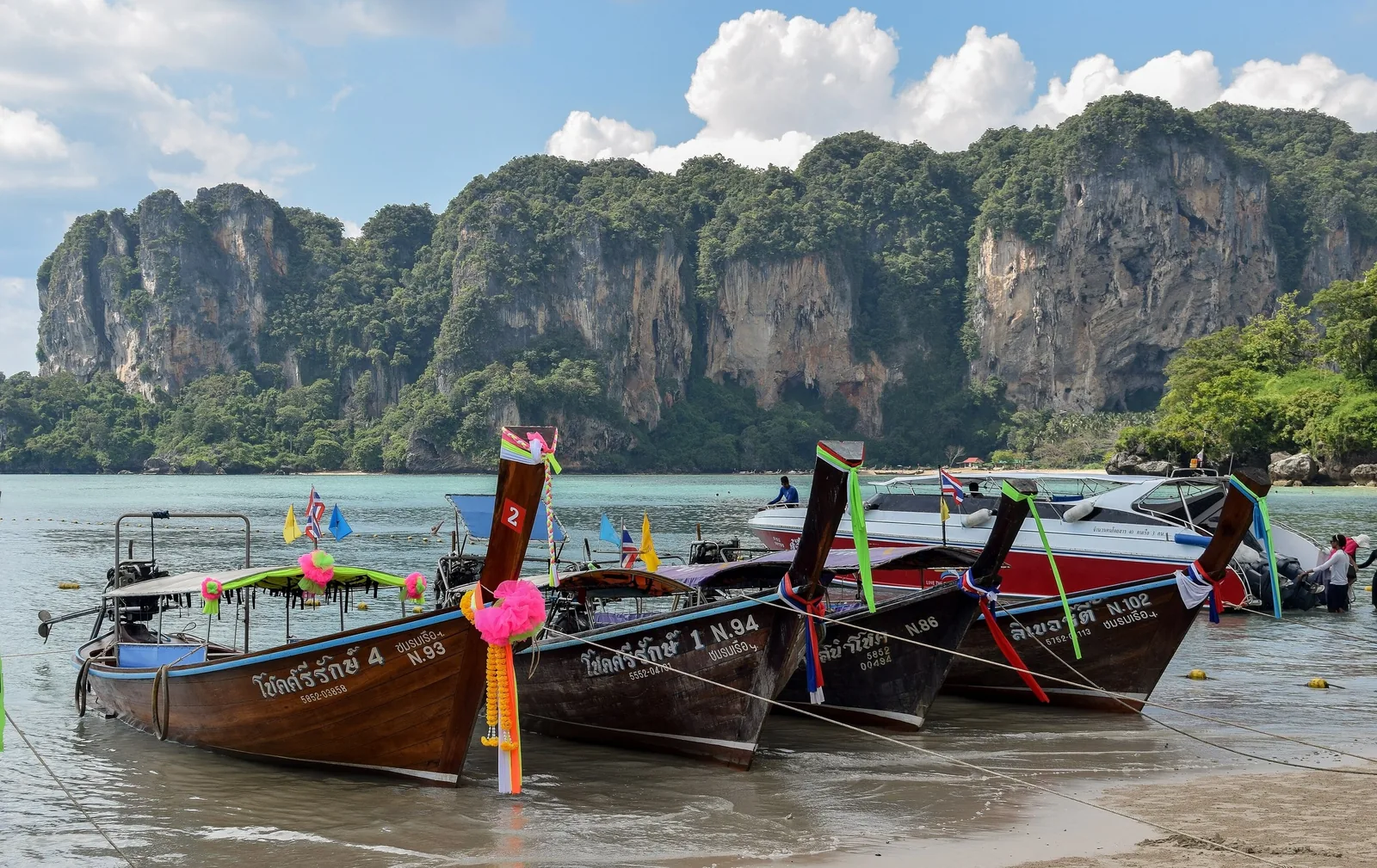
Most people arrive through Bangkok and leave from a beach, and between those two points sit four distinct parts of the country. The capital and the old central plains, with Ayutthaya and the river towns. The Lanna north, cooler and slower, where the temples look Burmese and the food changes. The Andaman coast of limestone stacks and boat days. The Gulf islands, which run on their own weather entirely. Each one is worth three or four nights. Almost nobody has the time for all four on a first visit.
The infrastructure is good, which is the real luxury here: domestic flights run all day, the roads are sound, ferries keep schedules. That makes it tempting to keep adding. We tend to push the other way, because a trip with two bases holds together and a trip with five becomes a series of departure lounges. Our Thailand programmes are private throughout, with a guide and driver arranged where a guide earns their place and left out where you would rather be on your own. Beach days are yours. Nobody meets you in the lobby to explain a sunlounger.
Where our travellers go
The places our enquiries keep returning to, and what each is actually good for. Pick two or three, not eight.
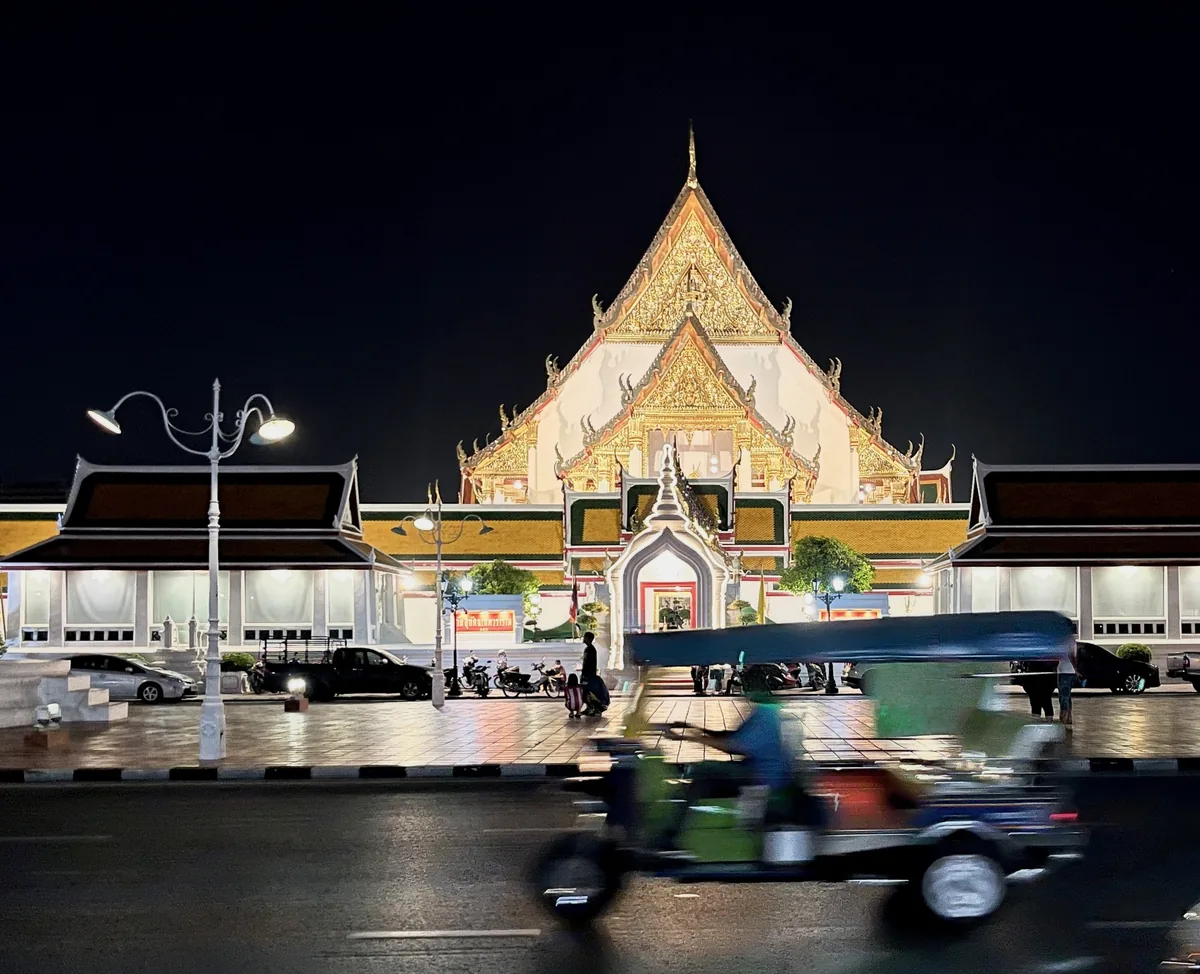
- Bangkok - the Grand Palace and the canals early, then a city that is at its best after dark and along the river
- Ayutthaya - the ruined former capital, an easy day from Bangkok and far better by boat than by coach
- Kanchanaburi - the river Kwai, the war cemeteries and the railway, for travellers who want the history rather than the beach
- Chiang Mai - the old walled town, working monasteries, the best cooking classes in the country and a base for the hills
- Chiang Rai and the Golden Triangle - fewer visitors, hill villages, and the Mekong running past three borders at once
- Khao Sok - limestone forest and a reservoir you sleep on in a raft house, the quietest two nights on most itineraries
- Phuket - the practical base for the Andaman: flights, hotels and boats, with the crowds that come attached
- Krabi and Phang Nga - sea caves, cliffs that climbers come for, and the beaches you reach only by longtail
- Koh Samui and Koh Pha Ngan - the Gulf side, calm when the Andaman is rough, and the reason we sometimes move your beach
When to go
Thailand has two coasts with opposite seasons, which is the single most useful thing to know when planning. If your dates fall in the Andaman monsoon, we move you to the Gulf rather than sell you rain. The north has its own problem the guidebooks skip: late winter burning season, when smoke from farm clearing sits over Chiang Mai. We will tell you when your dates run into it.
| Region | Best months | What to expect |
|---|---|---|
| Bangkok and the central plains | November to February | Cooler, dry and busy. March to May is very hot, and April is punishing at midday. June to October brings hard afternoon downpours and street flooding that clears within the hour. |
| Northern Thailand (Chiang Mai, Chiang Rai) | November to January | Cool mornings, clear skies, comfortable walking. Late February to early April is burning season and the air quality drops badly. The rains from June are heavy but short. |
| Andaman coast (Phuket, Krabi, Phi Phi) | November to April | Flat water, clear days, and the fullest hotels of the year. May to October brings swell and squalls, and boat trips are cancelled at short notice. |
| Gulf coast (Koh Samui, Pha Ngan, Tao) | February to September | Drier and calmer exactly when the Andaman side is not, which is why we swap coasts. October to December is the wet stretch, and November is the month to avoid. |
Our Thailand journeys

Plan a trip to Thailand
Tell us your dates, how many of you there are, and whether the trip is mainly about the beach, the north, or the food. We will send a route with the coast chosen to match the month, and say plainly where we have changed your idea and why. The trip is quoted in writing once we know your dates and party size. Call or message +84 766 283 988, or write to info@zaratour.com.