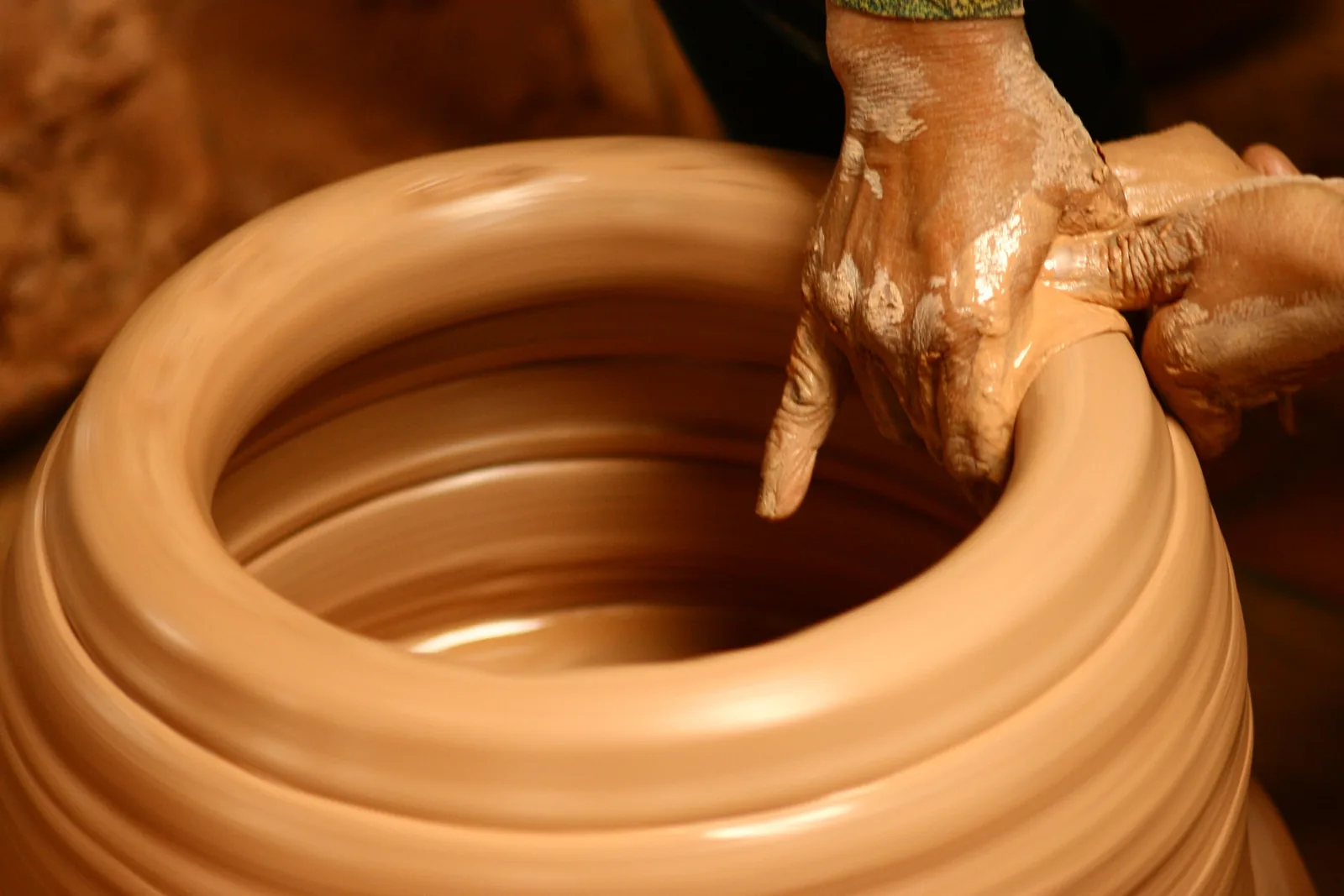
Four countries, a dozen kitchens
Cooking changes every few hundred kilometres. Hanoi leans on broth, dill and freshwater fish. Hue still cooks in the fussy, chilli-heavy manner of a court city. Saigon runs sweeter and borrows freely from the delta and from China. Thailand splits the same way, the sour, bitter north bearing little resemblance to the coconut-rich south. Laos eats sticky rice by hand with larb and jeow, and Khmer food is milder than its neighbours, built on kroeung paste and fermented fish. Travel through three of those in a fortnight and the contrasts do most of the teaching for you.
We build these trips backwards from the meals rather than the monuments. That means a market walk at six with the person who will cook alongside you, one or two sessions where you chop and pound rather than watch a demonstration, and dinners at places that hold a queue at seven in the morning or nine at night. Before anything is booked we ask what you will not eat, what you are allergic to and how much chilli you actually want, because those answers change which towns are worth your nights. We also leave the afternoon after a heavy lunch empty.
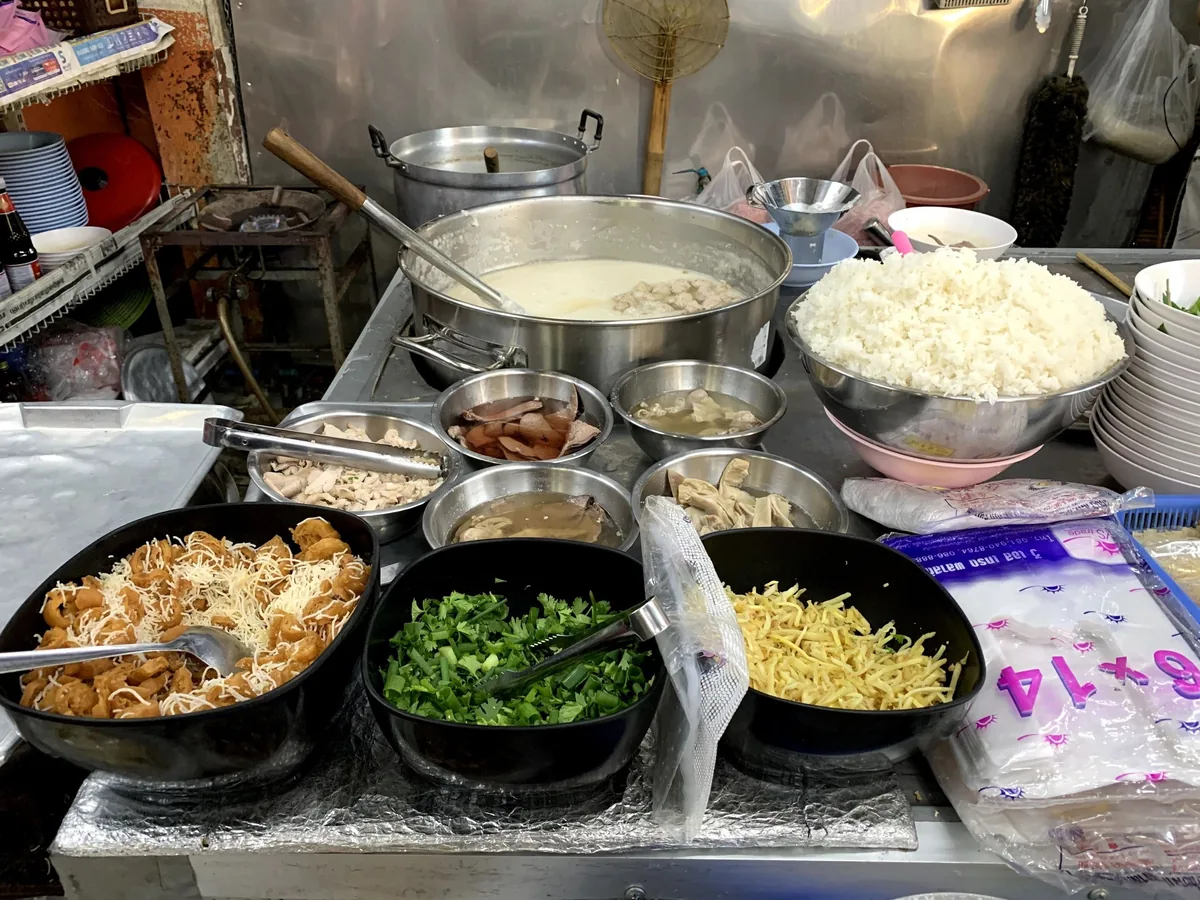
What these trips look like
- A market walk before breakfast with the cook, and the shopping list explained stall by stall.
- Two or three hands-on classes across a fortnight rather than one a day, because cooking is tiring.
- Pavement stalls picked for the queue rather than the signage, with your guide ordering and translating.
- One or two restaurants worth booking, placed on nights when you will still have an appetite.
- A herb garden, a rice-paper yard, a fish-sauce store or a noodle workshop, depending on the route.
- Allergies, chilli tolerance and anything you refuse to eat collected in writing before we book.
- An unscheduled afternoon after the largest meals, usually with a pool at the end of it.
Journeys in this style
Talk to us
Send us your dates, the number of travellers and a short list of what you cannot or will not eat. We will draft a route around the kitchens rather than the sights and mark where the classes and market mornings fall. The price is quoted in writing once we know your dates and party size. Email info@zaratour.com or message +84 766 283 988 if it is easier to talk it through.