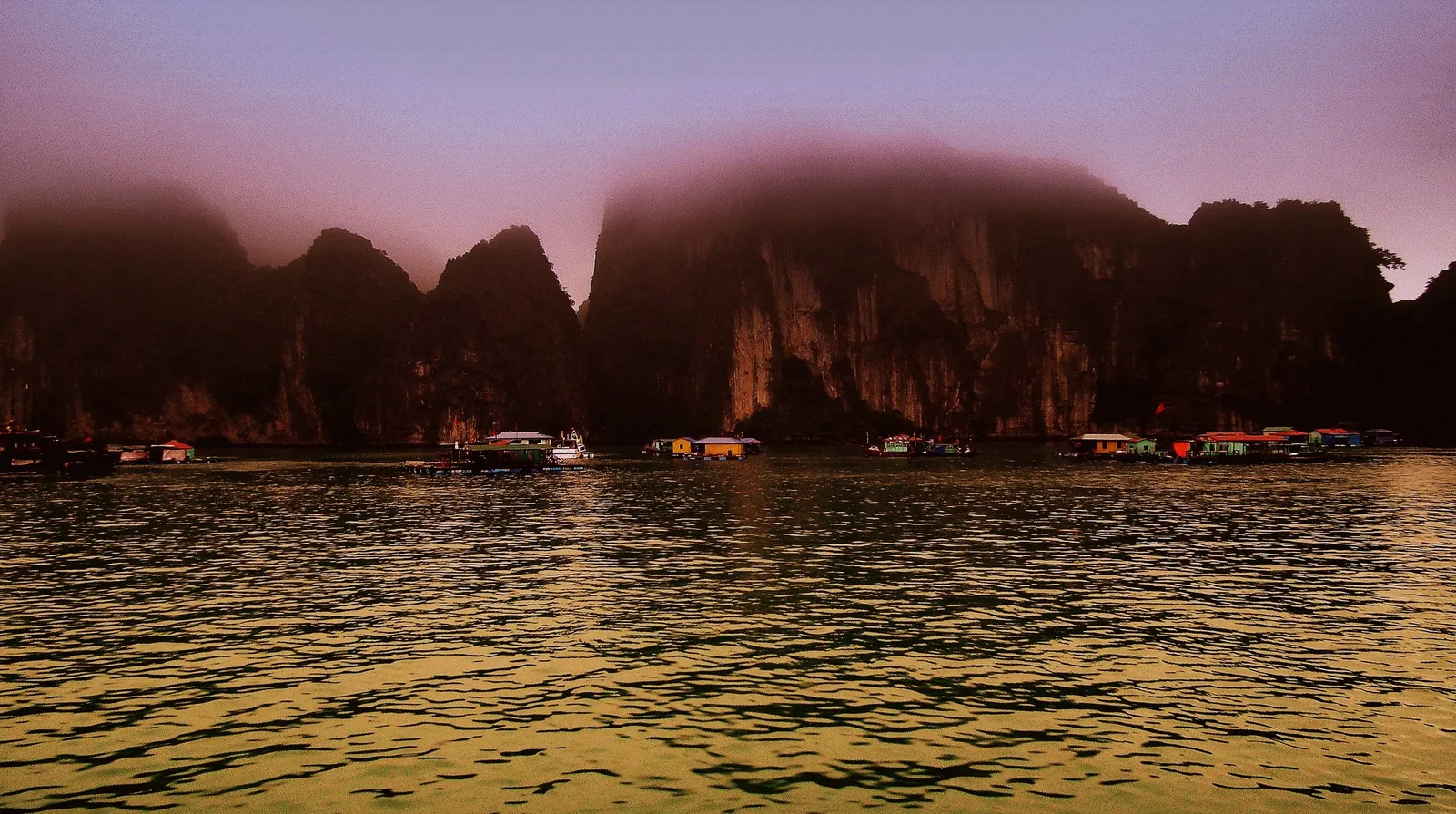
A country that changes every few hundred kilometres
Vietnam runs more than 1,600 km from the Chinese border to the tip of Ca Mau, and it does not stay the same for long. The north has a real winter, terraced hills and a capital that keeps its lanes. The centre is a thin strip of imperial tombs, shophouse towns and beach between mountains and sea. The south is flat, hot and quick, with a delta behind it that moves everything by water. Those are three different holidays, and how many fit into your nights is the first thing we settle.
We are based in Hanoi, so we plan this country from inside it. Every trip is built for one party: your dates, your pace, a guide and driver assigned to you alone, hotels chosen for where they stand and how they are run. We will also say when an idea does not work. Three regions in eight days reads well and feels like an airport corridor. A bay cruise in late July can be called off with a few hours' notice. Neither stops us arranging it; you should just hear it first.
Where our travellers go
These come up most often in our enquiries, with our reason for each. A first trip takes four or five. Chasing all nine means much packing and little standing still.
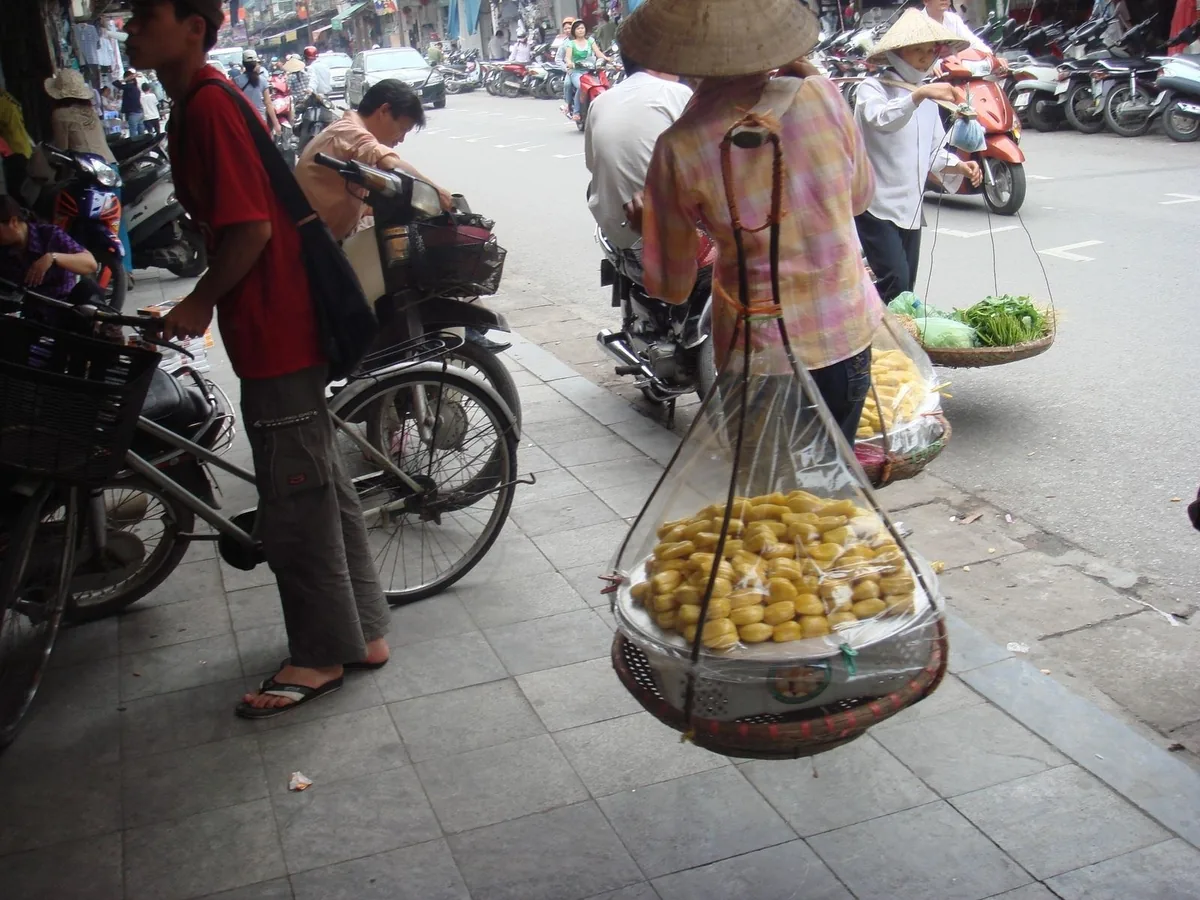
- Hanoi - a capital that rewards walking, where the food you want sits on a pavement stool, not in a dining room
- Halong Bay - worth a night on the water, and worth choosing the boat and the route rather than the name on the brochure
- Ninh Binh - the same limestone as the bay, standing in rice fields, reached by rowing boat and two hours from Hanoi
- Sapa - terraced valleys and Hmong and Dao hamlets, far better walked between villages than looked at from the town
- Ha Giang and the Dong Van plateau - the hardest driving in Vietnam and the most striking, if long car days suit you
- Hue - the Nguyen citadel, the tombs along the Perfume River, and a cuisine unlike anywhere else in the country
- Hoi An - a merchant town kept intact, best at dawn before the groups arrive and at night when the lanes empty again
- Ho Chi Minh City - loud, commercial and direct, with a war history told rather differently from the northern version
- The Mekong Delta - creeks, floating markets and stilt houses; one night out there beats three day trips from the city
When to go
No single month suits the whole country. While the north sits under cold cloud, the south is dry and comfortable. For an end-to-end trip the usual compromise is February to April: tolerable weather nearly everywhere, ideal weather nowhere. For one region, plan around the table below. We would rather flag a bad month than sell you one.
| Region | Best months | What to expect |
|---|---|---|
| Northern Vietnam (Hanoi, Halong Bay, Ninh Binh) | October to April | Dry and mild into December. January to March turns cold, grey and drizzly, with low cloud over the bay. July and August are hot, wet, and when cruises are most often cancelled. |
| Far northern mountains (Sapa, Ha Giang) | September to November, March to May | Harvest colour and clear air in autumn, flowering valleys in spring. Midwinter nights are properly cold and the terraces bare. Summer rain puts landslides on the roads. |
| Central coast (Hue, Hoi An, Da Nang) | February to August | Hot, dry and dependable through summer, with beaches that work. September to December is storm season, and the old town at Hoi An takes water most years. |
| Southern Vietnam and the Mekong Delta | December to April | Warm, dry and dusty by March. May to November is the wet season, which usually means one heavy hour in the afternoon rather than a lost day. |
Our Vietnam journeys

Plan a trip to Vietnam
Send your dates, the number of travellers, and a sentence about what you enjoy on holiday. You will get back a route, the reasoning behind its order, and the hotels we would put you in. The trip is quoted in writing once we know your dates and party size, and nothing is held until you agree the plan. To talk instead, call or message +84 766 283 988, or write to info@zaratour.com.