What Cambodia is like to travel in
Cambodia is a small country to move around and a slow one to understand. Almost every trip opens at Siem Reap or Phnom Penh, because both airports take direct flights from Bangkok, Singapore and Ho Chi Minh City. The main highways are surfaced and the driving is gentler than a map suggests: the capital to Siem Reap is a day's run with stops for lunch and a market, Battambang roughly three hours further west. Where a road is genuinely rough, we either fly that leg or tell you what you are in for beforehand.
Most people give Angkor two or three days, and it deserves them. What we would ask is that you keep room for the rest. The Tonle Sap swells and shrinks with the season, and the villages on it are built to live with that. Battambang still has its French shopfronts, its kilns and rice-paper yards. Kampot and Kep sit on a quiet piece of coast with pepper farms behind them. Phnom Penh holds the two places that explain the 1970s, Tuol Sleng and Choeung Ek; they make for a hard morning, so we put them early and leave the hours afterwards empty on purpose.
Where our travellers go
These are the places clients ask for by name, and the ones we put forward when nobody has a fixed idea yet. A first trip normally takes three or four. A second trip leaves the highway earlier.
- Siem Reap - the base for the temples, with enough good cooking and quiet hotels to make a full week comfortable rather than a duty.
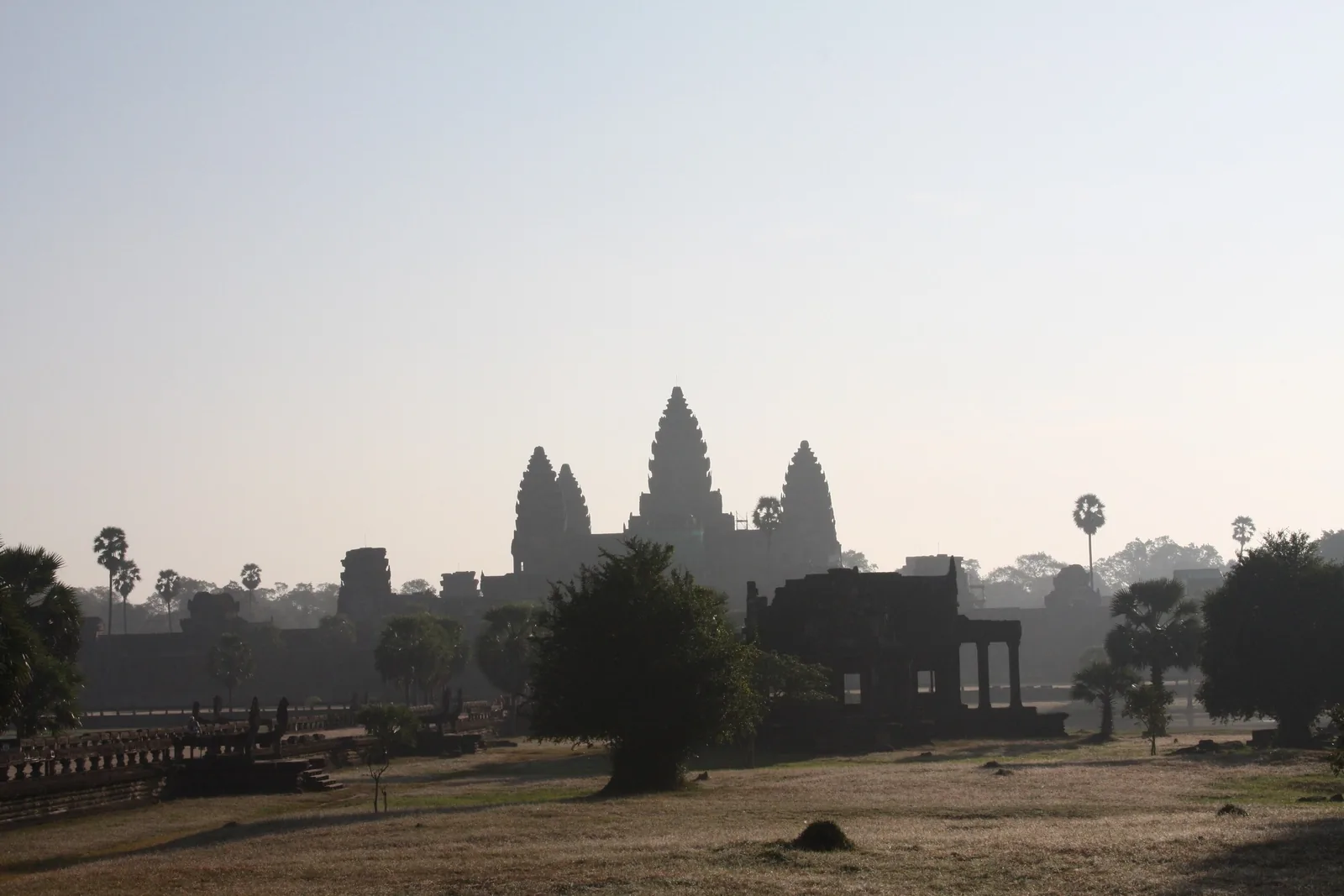
- Angkor Archaeological Park - Angkor Wat, the Bayon and Ta Prohm carry the crowds, while Preah Khan and Banteay Srei repay a second day.
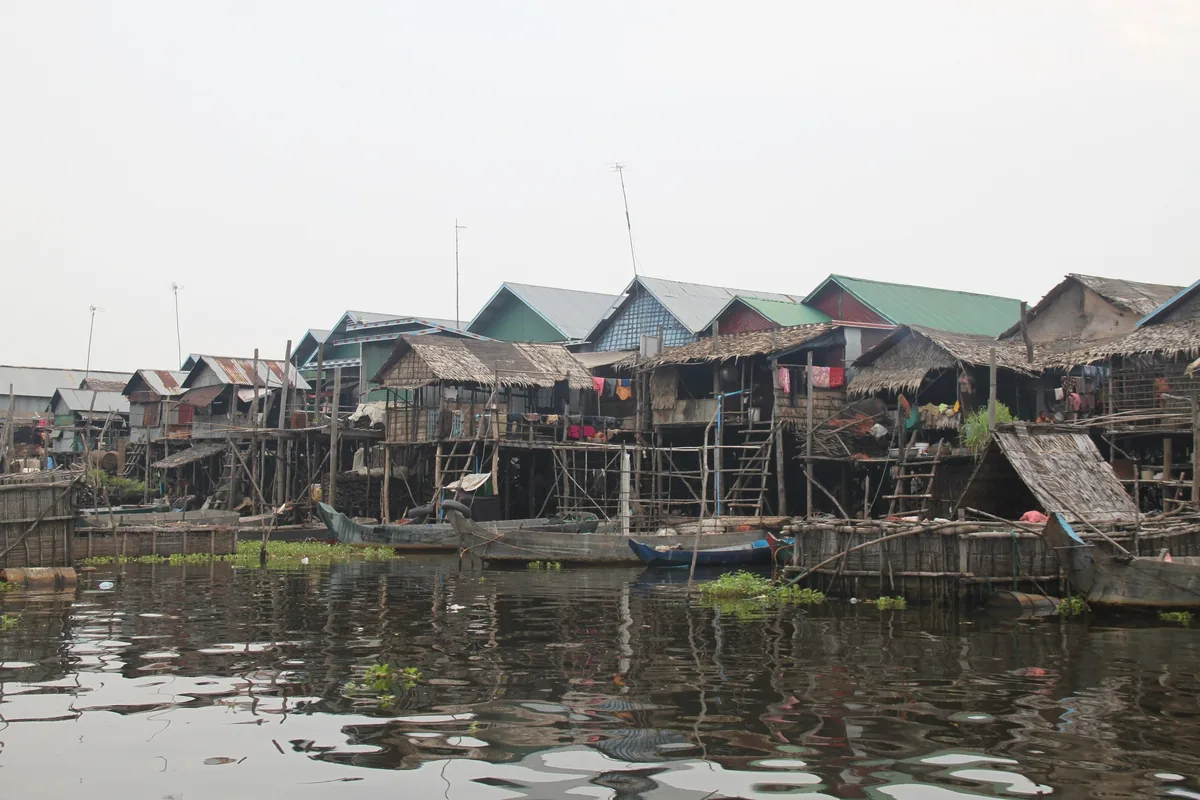
- Tonle Sap Lake - stilted and floating villages on the largest freshwater lake in the region, best seen from a boat in the last hour of light.
- Phnom Penh - the Royal Palace, the riverfront and the two memorial sites, plus the best markets in the country for silver, silk and street food.
- Battambang - a river town of colonial shophouses, brick kilns and bamboo rails, an easy two nights on the way in or out of Siem Reap.
- Kampot and Kep - pepper plantations, salt pans, a slow river and crab grilled a few metres from where it was landed.
- Koh Rong and Koh Rong Sanloem - the beaches people actually mean when they ask about the Cambodian coast, reached by ferry from Sihanoukville.
- Kratie - a reach of the Mekong where Irrawaddy dolphins are still seen, and a sensible overnight on the way to the eastern hills.
- Preah Vihear and Banteay Chhmar - remote temples with almost nobody at them, for travellers who have already had their fill of Angkor.
When to go
Cambodia runs on two seasons and one difficult month. Dry weather holds from about November to March: clear skies, cool dawns, busy temples. April is the hottest stretch of the year and can be punishing out on the plain, so trips then are built around very early starts and a long pause in the middle of the day. Rain arrives in May and peaks through September and October. It rarely spoils a trip, since storms mostly break late in the afternoon and clear, and the lake fills, which is the only time the flooded forest is worth the boat ride. What rain does do is slow the unsealed roads.
| Region | Best months | What to expect |
|---|---|---|
| Siem Reap and the Tonle Sap | November to February | Dry, bright and cool at first light. This is peak season at the temples, so we start before dawn. Lake levels are low and boat moorings shift further out. |
| Phnom Penh and the central plains | November to February | Pleasant until mid-morning, hot by noon. March and April are severe. From June to October expect short, heavy downpours late in the day. |
| The southern coast: Kampot, Kep and the islands | November to April | Calm sea, dependable sun, ferries to the islands running to timetable. From June the swell picks up and crossings are occasionally cancelled. |
| The east: Kratie, Mondulkiri and the far temples | December to February | Cooler in the hills, dusty on the road. During the wet months the unsealed sections slow every transfer, sometimes by hours. |
Our Cambodia journeys
Plan a trip to Cambodia
Tell us your dates, how many are travelling and what you want the trip to feel like, and you will get a day-by-day draft back with the cost set out in writing. We publish no prices here because they move with the season, the hotels and the size of the party. Argue with the draft as often as you like; most itineraries go through two or three versions before anyone pays anything. If it is quicker to talk, call or message +84 766 283 988, or write to info@zaratour.com.